Health and Well Being Adventures in Costa Rica
Join Susun Weed for a nature-filled health adventure in a gentle tropical setting.
NO Retreat for 2017. Check back for 2018
Susun will help you create a personal health plan. Your week will begin with thirty minutes ofone-on-one personal time with Susun and continue, once you are home, with a follow-up twenty-minute phone call to help you integrate all you have learned about your journey to superior wellness and longevity.
Susun will accompany you on three walks in the jungles of Costa Rica. You will enjoy ancient ceremonies that will connect you deeply to the earth and her blessings, meet amazing plants, and encounter a variety of exotic birds and animals.
You deserve to treat yourself to this special event.
Our menu will include all local, whole foods prepared with skill and love. No detoxing. No cleansing. No fasting. No severe or limited diets. Yes to nourishment and self-love.
Come prepared to enjoy yourself in an active way. We will take several walk every day in the Jungle and on the beach, as we revitalize and rejuvenate ourselves gently.
Are you a businesswoman burned out by fast pace and fast food? Are you a menopausal woman in need of assistance in becoming a baby crone? Are you suffering from a chronic problem/s that are getting you down? Do you want to experience more joy, more freedom, and more love in your life? Are you a mentored or correspondence student who has been wanting to spend personal time with Susun? Then this event is for you.
Healing Adventure Agenda
Day Zero/Sunday: Choose to fly into San Jose in the morning and take an afternoon hop flight to Tambor and sleep at Casa Bellavista, or fly into San Jose in the afternoon and spend the evening in your hotel or choice or our recommendation Hotel Los Volcanes.
Opening -- Day One/Monday: If you did not arrive to Casa Bellavista on Sunday… Take taxi
from the hotel to San Jose airport to catch the hop flight to Tambor. Meals are served whenever you arrive. Settle in. Swim in the pool, unpack, take a walk. Sleep deeply.
Important: Schedule your massage and your individual time with Susun -- Massage appointments on Monday and Tuesday: 7am, 8am, 9am, 11am, noon -- Consultation appointments on Monday and Tuesday: 11am, 11:30am, noon, 12:30pm, 1pm
Want to shop? We will take you! Monday and Tuesday mornings, time to explore Montezuma. We can also schedule an add on excursion for you if so desired (e.g. horseback riding, sea kayaking, canopy tour zip line..) we can provide transportation to and from the tour agency, the cost of these optional activites not included in package.
Rest -- Day Two/Tuesday: Awaken to the howler monkeys. Kitchen is open at 7am. You are welcome to observe or participate in all meal creations. Breakfast is served from 8-10am. Talking stick at 10am. Individual consultations with Susun start at 11am. Massages start at 8am. Lunch preparation starting at noon. Lunch is served from 1-2pm. Nourishing herbal infusion instruction with Susun at 2:30pm. Playa Los Cedros visit at 3:30pm. Dinner preparation at 6pm; Susun talks about minerals. Dinner is served at 7pm. Followed by introduction to Qigong..Sleep deeply.
Regeneration -- Day Three/Wednesday: Awaken to the howler monkeys. Breakfast is served from 8-10am. Massage appointments! Talking stick at 10am. Consultations with Susun! Lunch preparation starting at noon. Lunch is served from 1-2pm Farm Trip with Susun at 2:30pm. Dinner preparation at 5:30; Susun talks about vitamins. Dinner is served at 6:30. Followed by a moonlight walk on the beach and further Qigong.
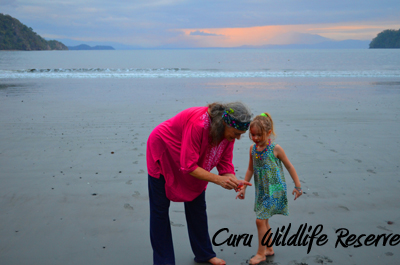
Exploration -- Day Four/Thursday: Awaken to the howler monkeys. Breakfast is served from 8-9am. Leave for Jungle and beach Adventure at Curu Nature Preserve at 9am. Picnic lunch. Shamanic ceremony. Talking stick. Return home by 5pm. Yoga class from 5:30-7pm. Dinner is served at 7pm. Followed by Qigong.
Discovery -- Day Five/Friday: Awaken to the howler monkeys. Breakfast is served from 7-8am. Leave for Tortuga Island Adventure at 8am. Hike in the jungle on the island; plant lore and identification. Beach exploration and swimming. Catered lunch. Tai Chi class on the beach and return home. Dinner preparation at 5:30; Susun talks about fats. Dinner is served at 6:30pm Followed by further Qigong.
Fulfillment -- Day Six/Saturday: Awaken to the howler monkeys. Breakfast is served from 8-9am. Leave at 9am for Guided tour of Cabo Blanco Nature Preserve. Picnic lunch. Shamanic ceremony in the jungle. Dinner preparation at 5:00; Susun talks about protein. Dinner is served at 6:00. Followed by a trip to Montezuma's Saturday night street party where we may encounter fire dancing and ice cream.
Completion -- Day Seven/Sunday: Awaken to the howler monkeys. Breakfast is served from 8-10am. Closing talking stick at 10am. Departure. Book your hop flight for at least four hours in advance of your international flight, or plan to sleep over in San Jose and fly home the next day. Pura Vida.
Due to the limited availability of this Wellness Adventure, there is a no refund policy on registrations. Please only reserve when you are certain you will be able and willing to attend this retreat in Costa Rica with Susun Weed.
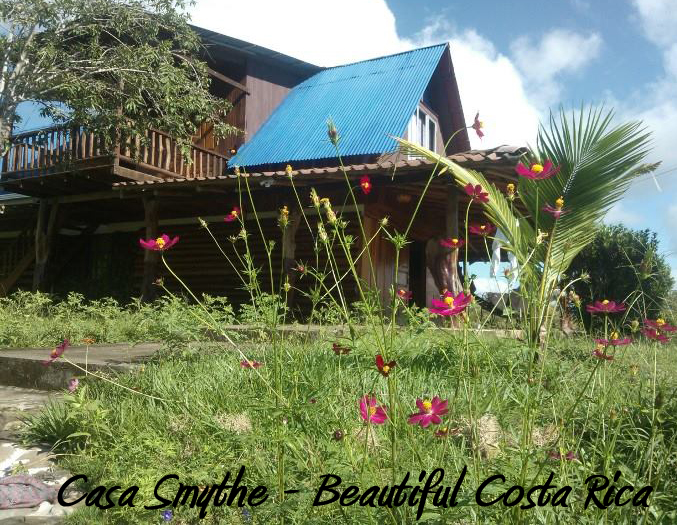
Once you register, your place is secured, and as a family business we appreciate your understanding. The Smythe family offers this event at the lowest possible price as a benefit to Susun Weed and her participants, for this reason it is important that the event is at full occupancy. Casa Smythe can accommodate only eight registered guests, so the Wellness retreat is a very personal intimate experience, and each guest is treated as family.
There is a hand selected support team assuring your needs are always first priority, assuring you will always find yourself in a nurturing environment with people who are taking care of all of the details so you can rest and rejuvenate during your Wellness Adventure with Susun Weed.
Thank you and Pura Vida!